
Steamed Kabocha Squash: Stuffed with Cheese, Beef, and Egg
See how we make steamed kabocha squash filled with cheese, beef, and egg for a simple, filling main …
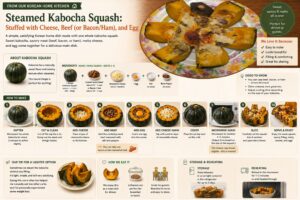
See how we make steamed kabocha squash filled with cheese, beef, and egg for a simple, filling main …
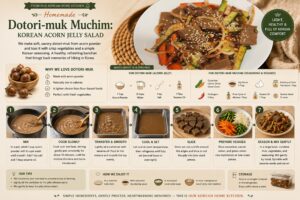
Learn how we make dotori-muk from acorn powder at home and turn it into Korean acorn jelly salad wit…
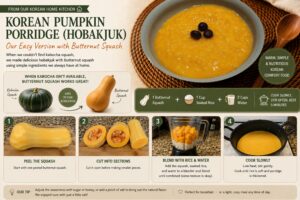
See how we make Korean pumpkin porridge, or hobakjuk, with butternut squash, soaked rice, and water …

See how we prepare steamed vegetables with egg, fruit, and a little juk or nurungji for a simple bre…
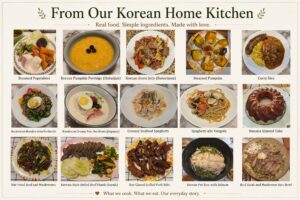
Discover what Koreans really cook at home, from Korean jipbap to pasta, curry, and fusion dishes mad…
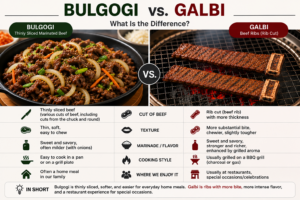
Compare the beef cuts, marinades, textures, and cooking styles of these Korean favorites—and why bul…
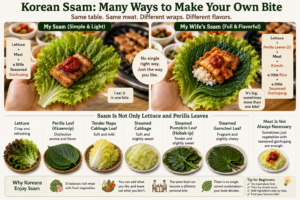
Discover what goes inside Korean ssam, how lettuce, perilla, meat, rice, and seasonings are combined…
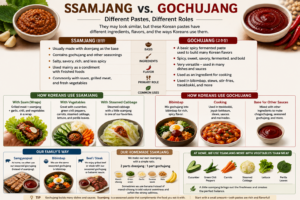
Learn how these Korean pastes differ in ingredients, flavor, spice level, and cooking uses—and how t…
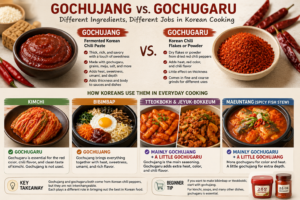
Learn how these two Korean chili ingredients differ in flavor, texture, and fermentation—and how Kor…